


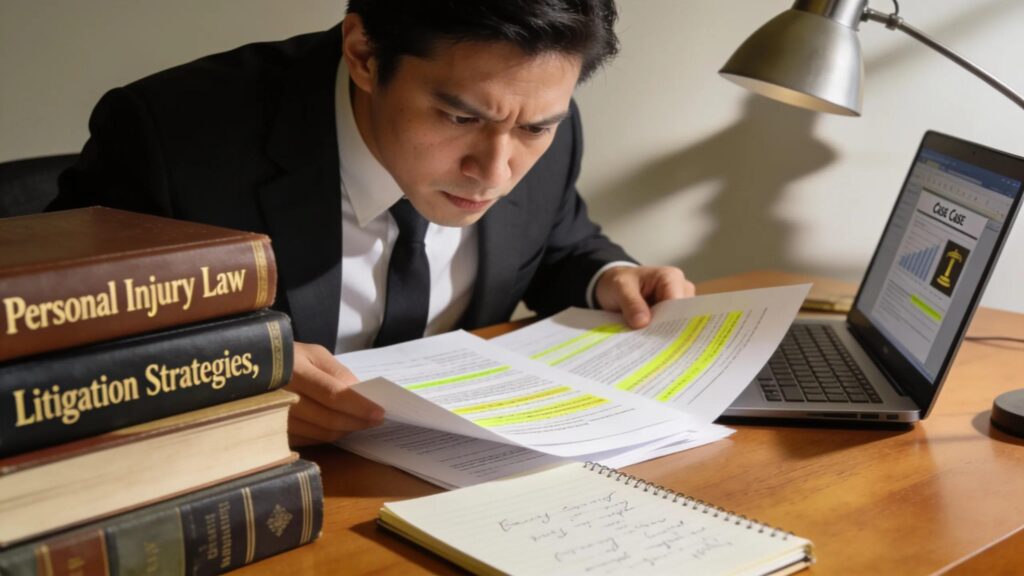
Personal Injury Litigation Step-by-Step Roadmap: Navigating the Lawsuit Timeline and Claim Process
By Daniel Badre, Badre Law Professional Corporation
Navigating the personal injury litigation process can be daunting, especially for those unfamiliar with legal proceedings. This comprehensive roadmap aims to empower individuals by breaking down each phase of the litigation timeline, from the initial steps after an injury to potential trial outcomes. Understanding the complexities involved will equip you to take informed actions when pursuing your claim. Many individuals face challenges related to gathering evidence, filing appropriate legal documents, and negotiating settlements effectively. This article will guide you through key processes, ensuring you understand everything from the preservation of evidence to trial preparation and the implications of each step. Along the way, we’ll also discuss how to assess your case and utilize free consultations to gain a stronger foothold on your path to resolution.
Initial Preservation and Reporting
Initial preservation and reporting are crucial steps following an injury, as they lay the groundwork for a successful personal injury claim. The first action should be notifying your insurance provider and seeking immediate medical attention, regardless of how minor the injuries may seem. This will not only ensure your health and safety but also create an official record for any future claims. Additionally, collecting evidence such as photographs of the scene, witness statements, and medical records is essential for substantiating your case later on. Reporting the accident to the appropriate authorities further solidifies your account and can provide necessary documentation for your claim.
Pleadings/Statement of Claim
The pleadings phase involves the formal initiation of the lawsuit through a statement of claim. This critical document sets forth the specifics of the case, including details about the incident, the parties involved, and the legal basis for the claim. Filing the complaint in court marks the beginning of legal proceedings, which is then served to the defendant. This process must adhere to strict timeframes and procedural rules, which in Ontario generally require this step to be executed within a specific timeline post-incident.
Discovery and Examinations
Discovery and examinations are pivotal for gathering evidence and clarifying the facts of the case. During this phase, both parties exchange relevant information, including documents and evidence. Participants often undergo examinations for discovery, where they provide sworn testimonies regarding their claims and defenses. Engaging in this thorough discovery process is mandated by statutory requirements, ensuring that both sides have access to necessary materials to assess the merits of the case effectively.
Mediation/Pre-Trial Settlement Efforts

Mediation or pre-trial settlement efforts serve as opportunities to resolve claims before reaching the courtroom. This alternative dispute resolution method involves the use of neutral mediators to facilitate discussions between the parties, allowing them to explore settlement options amicably. Settlement negotiations can lead to several benefits, including reduced legal expenses, faster resolution times, and maintaining privacy, which is typically not possible in a trial. Therefore, addressing potential settlement during mediation can save both time and resources while providing a satisfactory outcome for both parties.
Trial
If a settlement cannot be reached, the case will proceed to trial, where each party presents evidence, arguments, and witnesses before a judge or jury. This phase encompasses various procedures, including jury selection, opening statements, examination of witnesses, and closing arguments. Understanding each component of the trial process is essential for preparation, and parties must be ready for the expected timeframes, which can vary significantly based on case complexity. Preparing for trial involves crucial tasks such as strategizing the presentation of evidence and coordinating with legal representatives to prepare strong arguments.
Key Documentation Required
Key documentation is vital for a successful personal injury claim. Essential documents often include:
- Medical Records: These provide evidence of injuries sustained, treatment details, and costs incurred.
- Accident Reports: Official reports from law enforcement or other authorities document the specifics of the incident.
- Witness Statements: Accounts from individuals who witnessed the incident can support your claims and strengthen your case.
These documents not only verify the details of the incident but also contribute to determining liability and damages.
Typical Outcomes
Understanding typical outcomes in personal injury cases can help set realistic expectations. Outcomes often range from settlements agreed upon prior to trial, which can simplify the process, to jury verdicts in favor of the plaintiff or defendant. Factors influencing these outcomes include the strength of the evidence, the credibility of witnesses, and the specifics of the law surrounding the case. Evaluating these elements early on is crucial in strategizing your approach to litigation.
Important Considerations
Several important factors should be considered throughout the personal injury litigation process. For instance, being aware of the statute of limitations in Ontario, which dictates the timeframe within which a claim must be filed, is critical to preventing losing the right to pursue compensation. Additionally, legal representation significantly impacts outcomes; having experienced counsel can ensure that your case is handled effectively. Understanding the nuances of negligence assessments is also important, as it can affect the amount of compensation awarded.
What Are the Initial Steps in Filing a Personal Injury Claim in Ontario?
Filing a personal injury claim in Ontario involves a sequential process. Initial steps include:
- Reporting the Accident: Ensure that the incident is reported to the police and insurance providers promptly.
- Documenting Everything: Keep detailed records of all medical treatments, expenses, and communications related to the incident.
- Consulting a Legal Professional: Seek legal counsel to understand your rights and the necessary steps for filing your claim.
Engaging legal assistance during these initial stages can provide clarity and support your efforts effectively.
How to Evaluate Your Case and Schedule a Free Legal Consultation
Evaluating your case involves assessing the strength of the evidence, the extent of injuries, and the likelihood of a successful outcome. This evaluation can help gauge whether pursuing a claim is advisable. Scheduling a free legal consultation can provide additional insights; it allows you to discuss the details of your case with a qualified professional who can offer tailored advice.
How to Analyze Incident Details
During your consultation, present the specifics of the incident, including:
- Description of Events: Share an accurate account of what happened.
- Medical Evidence: Provide documentation of all medical treatments received.
- Witness Accounts: Discuss any witnesses who can corroborate your story.
The Role of Legal Representation
Having professional legal representation can enhance your case’s viability. Lawyers with expertise in personal injury law understand the intricacies of litigation in Ontario and can navigate the legal landscape effectively. They can assist in gathering necessary documentation, negotiating with opposing parties, and advocating for your rights.
When and How to File Formal Injury Claims and Legal Documentation
Filing formal injury claims involves adhering to specific legal protocols. After gathering relevant information, the first task is completing the required forms and submitting your claim within the legislated time frames. Legal documentation should be organized chronologically, ensuring all necessary evidence supports your assertions.
How Is Evidence Collected and Documented During Injury Litigation?
Evidence collection is a multi-faceted process that involves various methods. Important types of evidence include:
- Physical Evidence: Items directly related to the incident that can substantiate your claims.
- Digital Evidence: Photos, videos, and messages that may shed light on the circumstances.
- Expert Testimonies: Professional insights regarding the injuries or incident that support your case.
Efficient documentation of evidence during litigation is essential not only for court proceedings but also for negotiations with insurers.
What Types of Police and Accident Reports Are Required for Your Claim?
When pursuing a personal injury claim, specific reports are typically required. These include:
- Police Reports: Provide an official account of the incident, detailing all involved parties and circumstances.
- Accident Reports: May be filed with the insurance company or upheld by local administrative bodies, providing crucial context.
These reports validate your claims and must be accurately obtained for your case.
How to Gather Medical Records and Expert Statements for Stronger Cases
Strong cases often rely on accurate medical records and expert statements. Ensure to:
- Request Medical Records: Collect comprehensive documentation from healthcare providers detailing diagnoses and treatments.
- Engage Experts: Involve healthcare professionals who can offer insights into the medical conditions resulting from the injury and their long-term implications.
This comprehensive gathering of evidence not only supports your claims but also enhances the overall strength of your case in any negotiations or court proceedings.
What Is the Personal Injury Settlement Process and Negotiation Strategy?
The settlement process typically involves discussions between parties aiming for an agreed resolution without proceeding to trial. Key components of this process include understanding the full extent of damages, preparing for negotiations, and articulating the rationale behind your demands. Establishing a firm negotiation strategy can significantly impact the settlement outcome.
How to Strategize Your Negotiation
A successful negotiation strategy may include:
- Research Precedents: Understand similar cases to ascertain appropriate compensation values.
- Set Clear Goals: Define minimum acceptable settlements before negotiations commence.
- Remain Flexible: Be prepared to adjust your approach based on counteroffers.
What to Expect in Settlement Discussions
During settlement discussions, ensure clarity in communicating your position and be aware of the settlement’s implications. Reach out for guidance from legal professionals experienced in negotiation tactics for personal injury cases to ensure you maximize your potential compensation.
How Are Settlement Offers Evaluated and Negotiated Effectively?
Evaluating and negotiating settlement offers involves assessing the offer’s adequacy compared to your expected damages. Key considerations include:
- Health Impact: The severity of injuries and their impact on your life.
- Financial Losses: Medical costs, lost income, and other economic damages.
- Emotional Distress: The psychological repercussions of the incident.
Understanding these factors provides a foundation for negotiations, allowing for informed discussions about your compensation.
When Should You Consider Going to Trial Instead of Settling?
Deciding whether to proceed to trial can be a challenging choice. Some factors influencing this decision include:
- Strength of Evidence: If your evidence strongly supports your case, a trial may be more viable.
- Settlement Sufficiency: If settlement offers are insufficient, pursuing trial might lead to better outcomes.
- Emotional Factors: The emotional readiness and personal comfort with the potential uncertainty of a trial are also essential considerations.
What Happens During Trial Preparation and the Court Process?
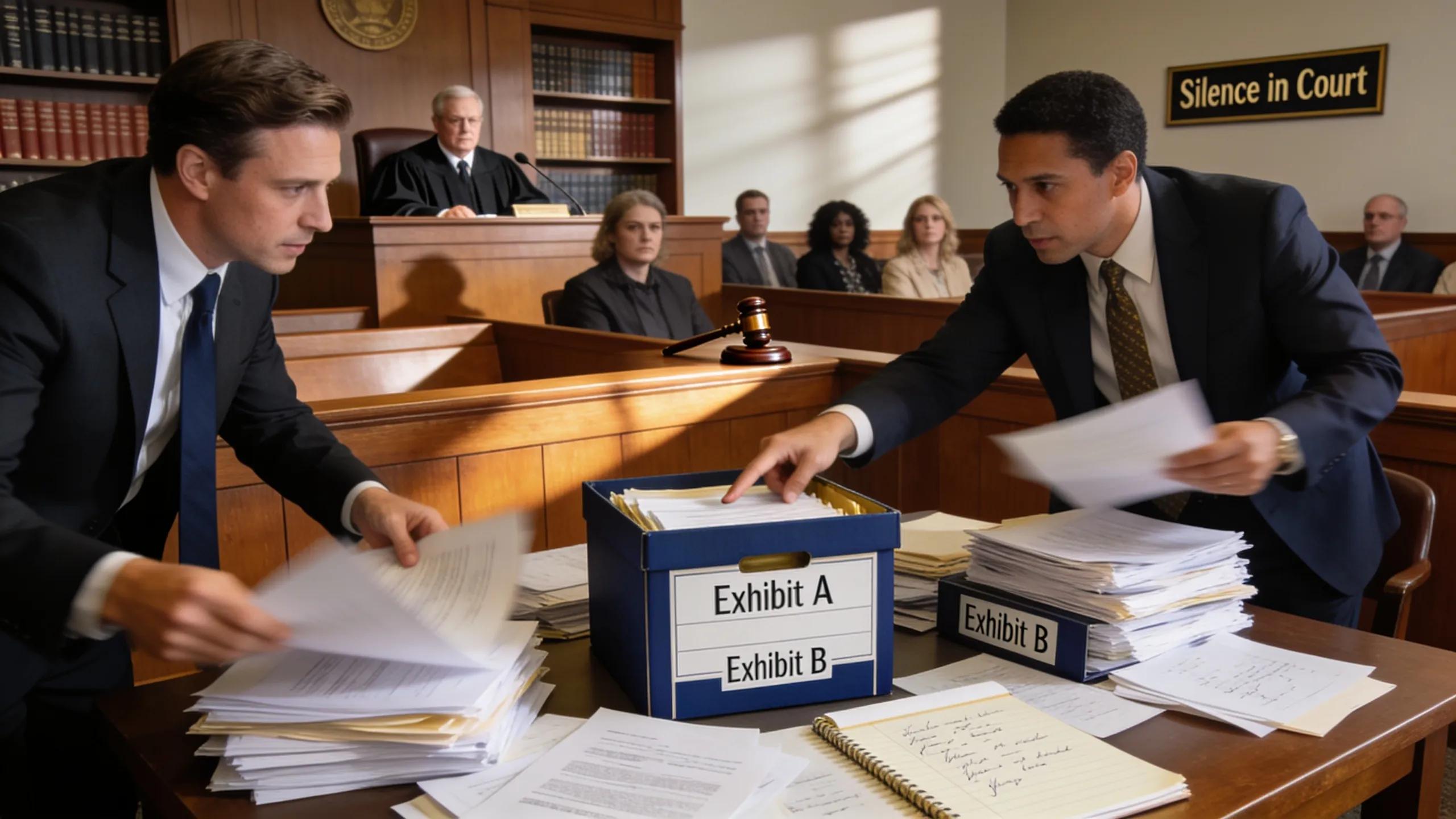
Trial preparation requires significant steps and organization. Some key elements include:
- Collecting Evidence: Ensuring all documentation and witnesses are prepared well before the trial date.
- Setting Timelines: Understanding the timeline for trial dates and key milestones throughout the process.
This preparation allows both parties to present their case effectively.
How to Manage Post-Trial Steps and Possible Appeals in Injury Cases?
Managing post-trial steps involves understanding the implications of the verdict, whether favorable or unfavorable. It’s essential to grasp potential appeals or the execution of decisions reached at trial, especially if there’s dissatisfaction with the verdict. Legal advice will guide you through these pathways, ensuring you understand your options moving forward.
Why Choose Badre Law Professional Corporation for Your Ottawa Personal Injury Case?
Choosing the right legal representation is crucial for successful navigation through Ontario’s personal injury litigation. Badre Law Professional Corporation stands out due to its extensive experience and client-centric approach. With a commitment to personalized service and a “no win, no fee” policy, clients can feel secure that their cases are being handled with the utmost dedication and expertise.
What Advantages Do Our Free Consultations Offer Injured Clients?
Our free consultations provide numerous advantages, including personalized case assessments where clients receive tailored legal guidance based on their unique situations. This valuable resource empowers clients through informed decision-making before embarking on their litigation journey.
How Our Expertise Aligns with Ontario’s Personal Injury Litigation Process
Our team’s familiarity with Ontario’s legal landscape ensures a smooth alignment with procedural requirements. By emphasizing the importance of early legal consultation, thorough documentation practices, and collaborative efforts with expert witnesses, we can strengthen your case and improve the likelihood of a favorable outcome.