


Tag Archives: Ottawa nursing home negligence

Accidents Lawyer Car Accidents Disability Claims Slip and Fall Claims
Ontario Long-Term Disability Claims Guide: Denied Claims, SABS and CPP-D Offsets, and Legal Rights Explained
Uncover the complexities of Ontario disability claims, including SABS and CPP-D offsets. Understand your entitlements [...]
Continue readingSep

Lawsuits
Personal Injury Litigation Step-by-Step Roadmap
This comprehensive guide outlines the personal injury litigation process, helping individuals navigate their claims effectively [...]
Continue readingSep

Accidents Lawyer Car Accidents Disability Claims Slip and Fall Claims
Ottawa Long-Term Disability Lawyer at Badre Law PC: Expert Denied Disability Claim Representation
Trusted Ottawa Disability Lawyers at Badre Law PC assist clients with denied claims. Achieve justice [...]
Continue readingSep

Car Accidents
Ontario Car Accident Legal Resource Hub
Experienced car accident lawyers in Ontario provide essential guidance for accident victims. Learn how to [...]
Continue readingSep

Accidents Lawyer Car Accidents Disability Claims Slip and Fall Claims
Ottawa Truck Accident Lawyer | Badre Law PC — Expert Legal Help for Commercial Vehicle & Semi-Truck Injury Claims
Get expert legal assistance for truck accidents in Ottawa with Badre Law PC. Trustworthy representation [...]
Continue readingAug

How to Identify and Report Nursing Home Neglect
The COVID-19 pandemic was the tip of the long-term care iceberg. It revealed a disturbing [...]
May
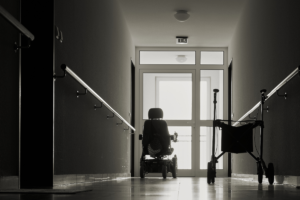
COVID-19 and long-term care homes
The pandemic has impacted millions of people, but the impact of COVID-19 and long-term care [...]
Nov

What is Nursing Home Neglect?
We want to ensure that the people we love are well taken care of in [...]
Oct

Nursing Home Negligence – a Growing Problem
There are more than 600 nursing homes in Ontario, housing over 80,000 residents. Placing a [...]
Apr