
Understanding Personal Injury Law in Ottawa
Personal injury law encompasses a wide range of legal issues stemming from accidents and injuries. In Ottawa, individuals seeking compensation for injuries sustained due to negligence or wrongful conduct can benefit from understanding the basics of personal injury claims. This area of law aims to ensure that victims receive the financial support they need to recover from their injuries and rebuild their lives.
In Ottawa, personal injury cases can include automobile accidents, slip and fall incidents, and medical malpractice. Each case requires a thorough understanding of the legal processes involved, including the necessity of gathering evidence, filing claims, and negotiating settlements. Engaging with a knowledgeable personal injury lawyer can significantly enhance the chances of a successful outcome.
Common Types of Accident Claims
Accident claims can vary widely based on the circumstances surrounding the incident. Common types of claims include those related to car accidents, workplace injuries, and slip and fall accidents. Understanding these categories helps potential clients identify their legal options and the specific paths they may take to seek compensation.
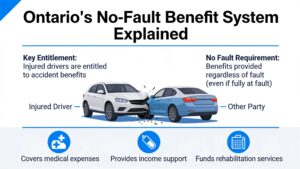
For instance, car accident claims often involve negotiations with insurance companies and may require proving fault and damages. Workplace injury claims, on the other hand, might involve workers' compensation benefits, which can be complex. By familiarizing themselves with these categories, individuals can better prepare for the legal processes ahead.
The Importance of Medical Documentation in Injury Claims
Medical documentation plays a crucial role in substantiating personal injury claims. Proper medical records provide evidence of the injuries sustained and the associated treatment, which is vital for establishing the extent of damages and the impact on the victim's life. Without adequate documentation, proving a case can become significantly more challenging.
Victims are encouraged to maintain detailed records of all medical visits, treatments, and expenses incurred as a result of their injuries. This documentation not only supports their claims but also aids in negotiating settlements with insurance companies, ensuring that victims receive fair compensation for their suffering and losses.
How to Choose the Right Accident Lawyer
Selecting the right accident lawyer is essential for a successful personal injury claim. Potential clients should consider factors such as the lawyer's experience, specialization in personal injury law, and track record of success. A knowledgeable attorney can provide invaluable guidance throughout the legal process, from filing claims to negotiating settlements.
It is also beneficial to seek out client testimonials and reviews to gauge a lawyer's reputation and effectiveness. Initial consultations, often offered for free, provide an opportunity for clients to assess compatibility and discuss their cases in detail, ensuring they make an informed decision when choosing legal representation.
Understanding Personal Injury Law in Ottawa
Personal injury law encompasses a wide range of legal issues stemming from accidents and injuries. In Ottawa, individuals seeking compensation for injuries sustained due to negligence or wrongful conduct can benefit from understanding the basics of personal injury claims. This area of law aims to ensure that victims receive the financial support they need to recover from their injuries and rebuild their lives.
In Ottawa, personal injury cases can include automobile accidents, slip and fall incidents, and medical malpractice. Each case requires a thorough understanding of the legal processes involved, including the necessity of gathering evidence, filing claims, and negotiating settlements. Engaging with a knowledgeable personal injury lawyer can significantly enhance the chances of a successful outcome.
Common Types of Accident Claims
Accident claims can vary widely based on the circumstances surrounding the incident. Common types of claims include those related to car accidents, workplace injuries, and slip and fall accidents. Understanding these categories helps potential clients identify their legal options and the specific paths they may take to seek compensation.
For instance, car accident claims often involve negotiations with insurance companies and may require proving fault and damages. Workplace injury claims, on the other hand, might involve workers' compensation benefits, which can be complex. By familiarizing themselves with these categories, individuals can better prepare for the legal processes ahead.
The Importance of Medical Documentation in Injury Claims
Medical documentation plays a crucial role in substantiating personal injury claims. Proper medical records provide evidence of the injuries sustained and the associated treatment, which is vital for establishing the extent of damages and the impact on the victim's life. Without adequate documentation, proving a case can become significantly more challenging.
Victims are encouraged to maintain detailed records of all medical visits, treatments, and expenses incurred as a result of their injuries. This documentation not only supports their claims but also aids in negotiating settlements with insurance companies, ensuring that victims receive fair compensation for their suffering and losses.
How to Choose the Right Accident Lawyer
Selecting the right accident lawyer is essential for a successful personal injury claim. Potential clients should consider factors such as the lawyer's experience, specialization in personal injury law, and track record of success. A knowledgeable attorney can provide invaluable guidance throughout the legal process, from filing claims to negotiating settlements.
It is also beneficial to seek out client testimonials and reviews to gauge a lawyer's reputation and effectiveness. Initial consultations, often offered for free, provide an opportunity for clients to assess compatibility and discuss their cases in detail, ensuring they make an informed decision when choosing legal representation.