

Category Archives: Personal Injury

Accidents Lawyer Car Accidents Disability Claims Slip and Fall Claims
Ontario Long-Term Disability Claims Guide: Denied Claims, SABS and CPP-D Offsets, and Legal Rights Explained
Uncover the complexities of Ontario disability claims, including SABS and CPP-D offsets. Understand your entitlements [...]
Continue readingSep

Lawsuits
Personal Injury Litigation Step-by-Step Roadmap
This comprehensive guide outlines the personal injury litigation process, helping individuals navigate their claims effectively [...]
Continue readingSep
Accidents Lawyer Car Accidents Disability Claims Slip and Fall Claims
Ottawa Long-Term Disability Lawyer at Badre Law PC: Expert Denied Disability Claim Representation
Trusted Ottawa Disability Lawyers at Badre Law PC assist clients with denied claims. Achieve justice [...]
Continue readingSep

Car Accidents
Ontario Car Accident Legal Resource Hub
Experienced car accident lawyers in Ontario provide essential guidance for accident victims. Learn how to [...]
Continue readingSep

Accidents Lawyer Car Accidents Disability Claims Slip and Fall Claims
Ottawa Truck Accident Lawyer | Badre Law PC — Expert Legal Help for Commercial Vehicle & Semi-Truck Injury Claims
Get expert legal assistance for truck accidents in Ottawa with Badre Law PC. Trustworthy representation [...]
Continue readingAug

The Most Common Spring Accident Claims
What are the most common accident claims made in the spring and how can you [...]
Apr

Personal Injury Lawsuits, Mental Health and COVID-19
Are you struggling with mental health issues during the pandemic? You may be able to [...]
Mar

Hit and Run Accidents in Ontario
How to know if you were involved in a hit and run accident in Ontario [...]
Mar
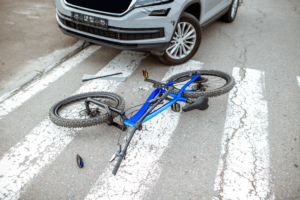
Common Fines for Cyclists – Accident Lawyer
Preventing an accident and keeping others safe – cyclists must abide by the rules of [...]
Mar
Withholding Particulars of Surveillance
It is very important to request particulars of any surveillance during a plaintiff’s examination of [...]
Feb
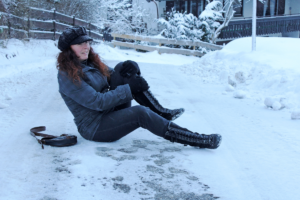
Why Personal Injury Lawyers are Busy During Winter
Winter is here; it’s the most dangerous time of year for pedestrians and the busiest [...]
Feb

Kempton v. Struke Estate – an Example of Claiming Upper-range Damages for Psychiatric Injuries
A recent case came out exemplifying how psychiatric injuries, injuries that are not visible to [...]
Feb

BILL 118 – CHANGES TO NOTICE RULE AFTER A SLIP AND FALL
A disputed private members bill was referred on June 6th, 2019 to the current Standing [...]
Feb
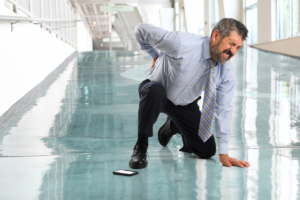
Determining Injury Liability: Public Spaces
What to do if you sustain a personal injury on public property. In Ontario, property [...]
Feb

Looking for an Ottawa Injury Lawyer? Start Here.
If you’re looking for an Ottawa injury lawyer to represent you, don’t stress. We’ll help [...]
Feb