



Wearing a seatbelt reduces the risk of fatal injury by 45 percent for front-seat occupants in Canada, underscoring the critical importance of seatbelt usage for every journey.
This article explains how seatbelts protect lives and minimize harm, and it outlines the legal framework and personal injury implications in Ontario. Readers will discover proven safety benefits, mandatory laws and penalties, the effect of non-use on compensation, common misconceptions, injury types prevented, post-accident actions, and reliable data sources. Along the way, Badre Law Professional Corporation’s expertise in Personal Injury Legal Representation for Motor Vehicle Accidents will be introduced as a supportive resource for anyone facing contributory negligence issues. By the end, you will understand both the physical mechanics of occupant protection and the legal considerations that influence personal injury claims across Ontario.
What Are the Proven Safety Benefits of Wearing a Seatbelt in Canada?
Seatbelts are a safety restraint system designed to secure occupants and limit movement during a crash by distributing forces across the pelvis and chest. By locking at the moment of impact, a seatbelt prevents occupants from striking interior surfaces and reduces violent deceleration, directly lowering the chance of fatal and serious injuries. For example, wearing a three-point seatbelt can cut the risk of moderate to critical injury by over half for front-seat passengers in Canadian collisions. Understanding these mechanisms lays the groundwork for examining real-world outcomes and the protective role of seatbelts against ejection and crush forces.
How Do Seatbelts Reduce Fatalities and Serious Injuries?
Seatbelts reduce fatalities and serious injuries by restraining the body and absorbing crash energy through webbing and retractor mechanisms. This restraint prevents occupants from colliding with the dashboard, windshield or other passengers, thereby minimizing blunt-force trauma to vital organs. By converting sudden deceleration into a controlled slowdown, seatbelts mitigate internal injuries such as organ lacerations and lung contusions. Advances in three-point and pretensioner technologies further enhance this effect by ensuring proper belt positioning and removing slack at the moment of impact. As a result, seatbelted occupants maintain better spinal alignment and avoid secondary collisions within the cabin.
What Do Recent Canadian Seatbelt Safety Statistics Reveal?
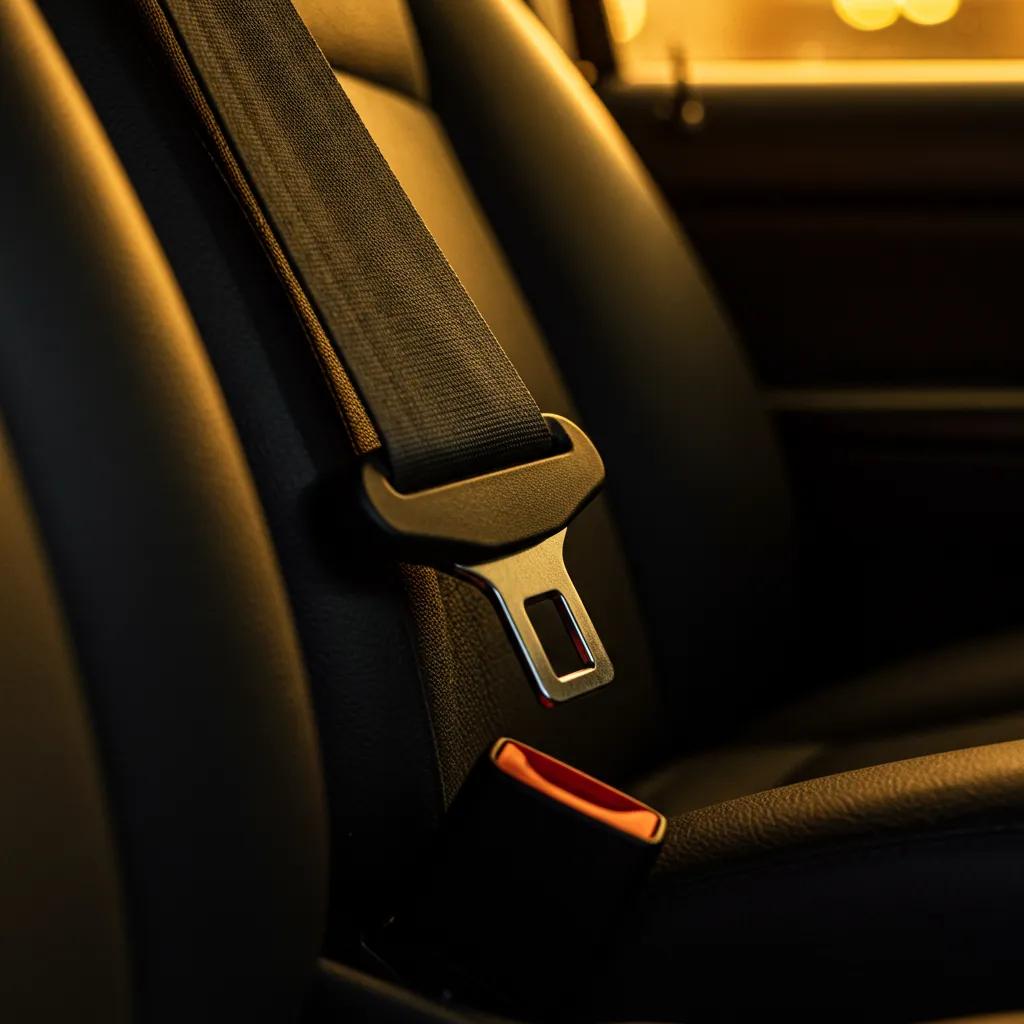
Recent data from Transport Canada and provincial safety organizations reveal compelling outcomes for seatbelt use across 2021–2025:
- Over 1,000 lives saved annually by proper restraint use.
- 45 percent reduction in fatal injury risk for front-seat occupants.
- 50 percent decrease in moderate to critical injuries among belted drivers.
- In 2023, 32.6 percent of driver fatalities involved non-use of seatbelts, rising to 35.6 percent for passengers.
These figures demonstrate that consistent seatbelt use is a proven, high-impact intervention for occupant safety nationwide, and they point toward the legal emphasis on mandatory compliance in Ontario.
How Do Seatbelts Protect Against Ejection and Collision Forces?
Seatbelts guard against ejection by anchoring occupants to the vehicle structure and keeping them inside the protective shell of the cabin. In high-speed impacts, a properly worn seatbelt prevents occupants from being propelled through windows or out of doors, which dramatically increases survival chances. The belt’s energy-absorbing material also slows the torso more gradually than the unrestrained skeleton, reducing peak forces on the spine. In lateral or rollover collisions, seatbelt pre-tensioners and load limiters manage restraint pressure to avoid chest injury while still preventing ejection. These combined features underscore why seatbelts remain the first line of defense in every crash scenario.
Understanding these safety benefits provides context for examining Ontario’s seatbelt laws and penalties.
What Are the Key Ontario Seatbelt Laws and Penalties?
Ontario’s Highway Traffic Act mandates seatbelt and child restraint use to promote occupant protection and compliance. All drivers and passengers must wear a properly adjusted seatbelt or approved child restraint system, or face penalties that reinforce public safety. The law assigns fines and demerit points for non-compliance, while imposing specific rules for child seats and booster seats according to age and weight. Clarifying these legal requirements helps motorists avoid sanctions and reinforces the rationale behind enforcement strategies.
What Does the Ontario Highway Traffic Act Say About Seatbelt Use?
The Highway Traffic Act requires that every front-seat and rear-seat occupant wear a seatbelt or be secured in an approved child restraint. Drivers are responsible for ensuring passengers under 16 are correctly restrained, and seatbelt webbing must be properly fastened and adjusted. Failure to comply constitutes an offense under Section 106, which empowers police officers to issue tickets without requiring other violations.
What Fines and Demerit Points Apply for Not Wearing a Seatbelt in Ontario?
Non-use of a seatbelt in Ontario incurs a fine of CAD 240, plus applicable court costs. Additionally, drivers receive two demerit points on their record per offense. The combination of financial penalty and demerit accumulation serves as a deterrent and aligns personal accountability with public safety objectives.
What Are the Child Car Seat and Booster Seat Regulations in Ontario?
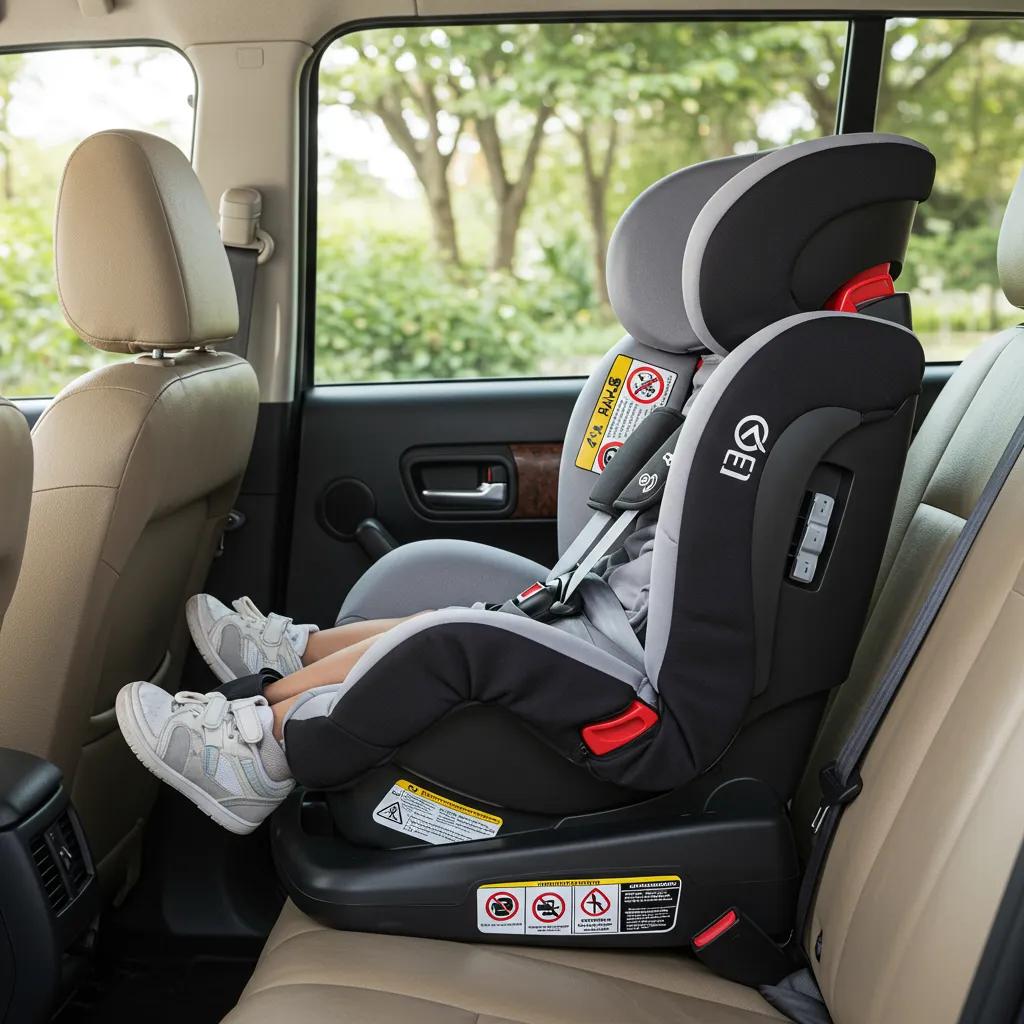
Children under 8 years old or weighing less than 36 kg must be secured in a child car seat or booster that meets Canadian Motor Vehicle Safety Standards. Rear-facing seats are required for infants until at least one year old and 10 kg, after which forward-facing seats with harnesses are used until the child outgrows height or weight limits. Booster seats become mandatory when children exceed those limits but remain under 145 cm in height.
These rules ensure that a child’s size and development stage match the appropriate restraint technology.
How Does Not Wearing a Seatbelt Affect Your Personal Injury Claim in Ontario?
Not wearing a seatbelt can trigger contributory negligence, reducing the compensation available in a personal injury claim. Contributory negligence occurs when an injured party’s own actions contribute to the harm suffered, shifting some liability away from at-fault drivers or other parties. In Ontario, courts typically reduce awards by 0–25 percent for seatbelt non-use, depending on the circumstances and severity of injuries. Even without a restraint, claimants retain rights to recover damages, but a clear understanding of this legal principle is essential for navigating post-accident claims.
What Is Contributory Negligence and How Does It Apply to Seatbelt Non-Use?
Contributory negligence is a legal doctrine that apportions fault when an injured person’s own negligence played a role in their injury. In seatbelt cases, failing to buckle up can be viewed as a breach of the duty to mitigate harm. Courts assess the degree to which non-use caused or worsened injuries and adjust compensation accordingly, ensuring that each party bears responsibility proportional to their fault.
By How Much Can Compensation Be Reduced for Not Wearing a Seatbelt?
Compensation reductions for seatbelt non-use typically range from 5 to 10 percent but can go as high as 25 percent in cases of extreme disregard. For example, if a claimant’s injuries would have been significantly less severe with proper restraint, the court may assign a higher percentage of contributory negligence. This reduction applies to damages for pain and suffering, loss of income, and future care costs, reflecting the impact of non-compliance on the overall harm.
Can You Still Receive Compensation If You Weren’t Wearing a Seatbelt?
Yes, failing to wear a seatbelt does not bar recovery altogether. Claimants maintain the right to seek compensation for damages where another party’s negligence was the primary cause of the accident. Ontario’s system balances personal fault and third-party liability, ensuring that injured individuals still receive support while acknowledging the role of contributory negligence.
Understanding these nuances helps accident victims prepare realistic expectations and pursue legal representation strategically.
What Are Common Myths and Lesser-Known Facts About Seatbelt Safety?
Several misconceptions persist around seatbelt use, such as the belief that belts trap occupants in burning vehicles or that airbags alone suffice for protection. In reality, scientific studies and crash reconstructions confirm that seatbelts significantly reduce fatality and injury risk without impeding escape in emergencies. Myths often overlook how modern belt webbing incorporates quick-release buckles and load limiters. Clarifying these false assumptions reinforces trust in proper restraint use and highlights the complementary relationship between seatbelts and airbags.
Which Seatbelt Myths Are Debunked by Science and Law?
One widespread myth is that seatbelts increase the risk of entrapment during post-crash fires. Tests show that occupants can unbuckle quickly, and rescue teams prioritize belt release. Another false notion holds that wearing a belt causes more internal injuries; however, data indicate that unbelted occupants suffer far more severe trauma. Legally, courts recognize that seatbelts are a reasonable safety measure, and non-use can be deemed negligent in personal injury claims.
How Do Seatbelts Work Together with Airbags to Enhance Safety?
Seatbelts and airbags operate as a coordinated system: the belt holds the occupant in position, allowing the airbag to cushion the head and chest rather than restraining the torso alone. In collisions, the belt’s pre-tensioner tightens the webbing in milliseconds, while the airbag deploys at controlled inflation rates to absorb energy. This synergy prevents submarining under the belt and reduces head acceleration, offering comprehensive protection across crash types.
How Does Seatbelt Use Affect Other Vehicle Occupants During a Crash?
Securing one occupant also limits secondary impacts by preventing unrestrained bodies from becoming projectiles. An unrestrained rear passenger, for example, can be thrown forward with force exceeding 2,500 N, endangering front-seat occupants. Proper restraint across all seats reduces cabin intrusions and stabilizes the crash environment. This collective safety effect underscores why seatbelt compliance is encouraged for every position inside the vehicle.
What Types of Injuries Are Prevented or Mitigated by Seatbelt Usage?
Seatbelts play a pivotal role in reducing a spectrum of injuries, from traumatic brain injuries to spinal cord damage. By controlling deceleration and securing the torso, belts limit head motion and prevent secondary impacts, curbing diffuse axonal injury in the brain. They also stabilize the spine, lowering the risk of vertebral fractures and spinal cord lesions. Beyond catastrophic trauma, restraints attenuate whiplash effects and nearly eliminate ejection, which often leads to multiple fractures and internal hemorrhages. Detailed knowledge of these protective outcomes highlights why seatbelts remain the cornerstone of occupant safety.
How Do Seatbelts Reduce the Risk of Brain and Spinal Cord Injuries?
Seatbelts restrain the head and torso, preventing sudden forward motion that causes the brain to collide with the skull interior. This restraint diminishes rotational forces linked to diffuse axonal injury. Simultaneously, the belt’s lap portion anchors the pelvis, preserving spinal alignment and preventing hyperflexion or extension injuries to vertebrae and discs. As a result, belted occupants face fewer skull fractures, intracranial hemorrhages, and spinal cord contusions than unbelted individuals.
What Role Do Seatbelts Play in Preventing Whiplash and Ejection?
In rear-end collisions, seatbelt pretensioners engage to hold the torso against the seat back, reducing relative motion between head and body that causes whiplash. The shoulder belt component arrests shoulder and chest movement, limiting neck hyperextension. For side-impact or rollover crashes, the belt keeps occupants from being thrust out of windows or doors, virtually eliminating ejection—a scenario associated with over 75 percent mortality.
How Does Seatbelt Use Influence the Severity of Collision-Related Trauma?
By distributing crash forces across robust skeletal regions (pelvis and ribcage), seatbelts lower peak loads on vulnerable organs. This energy redirection reduces the likelihood of liver lacerations, spleen ruptures and lung punctures. Furthermore, belt webbing is designed to stretch slightly under extreme loads, absorbing kinetic energy that would otherwise be transmitted to soft tissues. The cumulative effect is a marked decrease in both immediate life-threatening trauma and long-term disability.
What Should You Do After a Car Accident Involving Seatbelt Considerations in Ontario?
Immediately after a collision, documenting seatbelt usage and injury patterns is critical for both safety and legal claims. If possible, photograph belt condition and positioning, note any malfunctions, and record observations about restraint fit. Seek medical attention without delay—even minor symptoms may indicate internal damage aggravated by non-use. When filing insurance claims or pursuing litigation, these details help establish whether contributory negligence applies and shape compensation negotiations. Engaging experienced counsel expedites evidence collection and ensures that seatbelt factors are properly presented in personal injury proceedings.
How Does Seatbelt Usage Affect the Accident Investigation and Insurance Claims?
Insurance adjusters and investigators assess restraint use to determine fault and injury causation. Proper belt use supports claims for full damages, while non-use can lead to requests for recorded statements about the belt position at impact. Documenting working belts, audible clicks and retrieval from police reports substantiates injury causation that is independent of restraint compliance.
When Should You Contact a Personal Injury Lawyer About Seatbelt-Related Claims?
It is advisable to consult a personal injury lawyer promptly—ideally within days of the accident—to preserve evidence and avoid procedural deadlines. Legal counsel can secure expert reconstruction reports, medical records and affidavits regarding belt usage. Early involvement ensures that contributory negligence arguments are addressed proactively and that claimants understand potential compensation adjustments.
How Does Badre Law Assist Clients With Seatbelt and Contributory Negligence Cases?
Badre Law Professional Corporation offers Personal Injury Legal Representation for Motor Vehicle Accidents across Ontario, specializing in cases where seatbelt use influences contributory negligence. Clients benefit from free consultations and a contingency fee basis—no fees unless the firm wins—alongside over 60 years of combined experience. Through empathetic guidance and strategic evidence gathering, the firm advocates for maximum compensation and shields clients from undue fault apportionment.
Engaging skilled representation streamlines the claim process and maximizes recovery, even when seatbelt non-use is contested.
Where Can You Find Reliable Resources and Statistics on Seatbelt Safety in Canada?
Accessing authoritative data from government and safety organizations ensures accurate understanding of seatbelt effectiveness and evolving regulations. Transport Canada publishes national crash statistics and restraint compliance reports, while the Ontario Provincial Police release annual collision summaries highlighting restraint trends. Provincial agencies such as the Société de l’assurance automobile du Québec and the Traffic Injury Research Foundation also provide region-specific analyses. Consulting these sources supports informed decisions on safety measures and legal strategy.
Which Government and Safety Organizations Provide Seatbelt Data?
Transport Canada offers comprehensive national collision statistics and policy papers on occupant restraints. The Ontario Provincial Police compile annual traffic reports that include seatbelt use rates and associated injuries. The Traffic Injury Research Foundation conducts targeted studies on crash prevention, while provincial bodies like SAAQ publish localized impact assessments.
How Can You Stay Updated on Ontario Seatbelt Laws and Road Safety?
Staying informed requires periodic review of provincial legislation updates published by the Ontario Ministry of Transportation. Government bulletins and official publications alert drivers to changes in fines, demerit points and child restraint requirements. Subscribing to industry newsletters from road safety councils also delivers timely legislative and research insights.
What Interactive Tools and Infographics Help Understand Seatbelt Impact?
Interactive online calculators—such as crash severity estimators—and quizzes on seatbelt knowledge offer engaging ways to gauge personal risk and compliance. Infographics illustrating lives saved, injury reduction rates and proper belt positioning translate complex data into visual summaries that enhance public awareness and support educational campaigns.
Seatbelt usage remains the single most effective way to prevent fatal and severe injuries in motor vehicle collisions, and Ontario’s legal framework reinforces this life-saving practice. Recognizing the interplay between physical protection and contributory negligence is essential for informed decision-making and fair compensation. When seatbelt factors complicate a claim, Badre Law Professional Corporation offers the expertise and client-first approach required to navigate legal challenges. To discuss your case, secure free legal advice on your rights and potential recovery by contacting Badre Law Professional Corporation today.