



Accidents Lawyer Car Accidents Disability Claims Slip and Fall Claims
Ontario Long-Term Disability Claims Guide: Denied Claims, SABS and CPP-D Offsets, and Legal Rights Explained
Uncover the complexities of Ontario disability claims, including SABS and CPP-D offsets. Understand your entitlements [...]
Continue readingSep

Lawsuits
Personal Injury Litigation Step-by-Step Roadmap
This comprehensive guide outlines the personal injury litigation process, helping individuals navigate their claims effectively [...]
Continue readingSep

Accidents Lawyer Car Accidents Disability Claims Slip and Fall Claims
Ottawa Long-Term Disability Lawyer at Badre Law PC: Expert Denied Disability Claim Representation
Trusted Ottawa Disability Lawyers at Badre Law PC assist clients with denied claims. Achieve justice [...]
Continue readingSep

Car Accidents
Ontario Car Accident Legal Resource Hub
Experienced car accident lawyers in Ontario provide essential guidance for accident victims. Learn how to [...]
Continue readingSep

Accidents Lawyer Car Accidents Disability Claims Slip and Fall Claims
Ottawa Truck Accident Lawyer | Badre Law PC — Expert Legal Help for Commercial Vehicle & Semi-Truck Injury Claims
Get expert legal assistance for truck accidents in Ottawa with Badre Law PC. Trustworthy representation [...]
Continue readingAug

Dog Bites: Assessing Personal Injury Cases
Dog bites, although less common when compared to other personal injury cases, occur as frequently as car [...]
Oct
Independent Medical Evaluation in Personal Injury Cases
Independent medical evaluation – or the opinion of a medical professional – can make or [...]
Sep
Personal Injury Lawsuit: The Most Important Reason
After experiencing an injury due to the negligence or direct actions of others, you may [...]
Aug

Accidents and Personal Injuries: First Steps
Pursuing legal action after accidents are delicate work with very little room for error. Even [...]
Aug

Car Accidents: On the Road v. Parking Lots
There’s really no such thing as a good time and place for car accidents — [...]
Jul
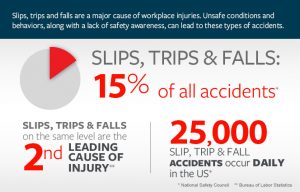
Slip and Falls Injuries: Prevention and Next Steps
Countless slip and falls occur every day. Many of these are minor incidents, where the [...]
Jul
Commercial Liability in Slip and Fall Injuries
Commercial liability with countless slips and falls happen every year. Occasionally, these incidents are not [...]
Car Accidents and Statutory Accident Benefits
All auto insurance policies are not created equal. Depending on your insurance provider, the specific [...]
May

Negotiating with the Insurance Company
In a large portion of personal injury cases, the money paid out in damages comes [...]
Apr

Car Accidents & Injuries: Health and Economic Impacts
You don’t need to be told that in a single moment, car accidents can dramatically [...]
Mar